
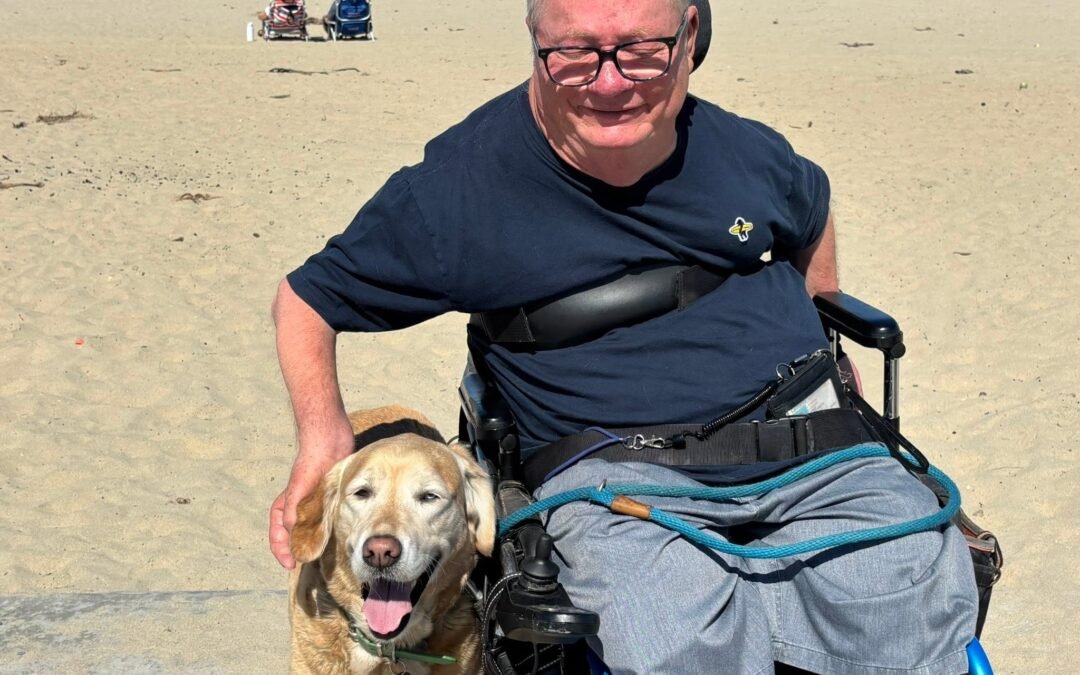
By Albert “Rusty” Krumm, Founder, Work, Retire, Remain Independent Coalition
For many years, I lived in what is called the disability poverty trap. I have been a C5-C6 quadriplegic since 1969, and like many people with significant disabilities, I faced a difficult choice: maintain the Medi-Cal coverage I depended on for caregiver support, or pursue employment and greater financial independence.
Everything changed when I learned about California’s 250% Working Disabled Program. Along with Ticket to Work and support from the Department of Rehabilitation, the program helped make it possible for me to earn a master’s degree in Rehabilitation Counseling and begin a career.
I worked for the San Diego Community College District for 23 years. I paid taxes, gave up SSDI and Section 8 housing, and became an active, contributing member of my community. I was able to work and build a life beyond the poverty trap.
Then I retired—and discovered a different one.
When retirement becomes a penalty
After retirement, I learned that my pension is treated as unearned income for Medi-Cal eligibility. As a result, I was no longer eligible for the 250% Working Disabled Program and faced an unaffordable Medi-Cal share of cost to keep the coverage that pays for my caregivers.
Without Medi-Cal, my ability to continue living independently is at risk.
This is the policy gap I want California to address. The state has created programs that help people with disabilities enter the workforce and become more financially independent. But there is no comparable pathway for those same workers when they retire. For some of us, the pension earned through years of employment can become the reason we lose access to essential services.
I do not believe this requires a major overhaul of Medi-Cal. California could pursue a practical, targeted solution: exempt pension income for disabled workers who rely on Medi-Cal and In-Home Supportive Services (IHSS), or create a retirement continuation pathway that allows them to retain their full Medi-Cal benefits after leaving the workforce.
The goal is straightforward: a person should not have to choose between receiving a modest pension earned through years of work and keeping the healthcare and caregiver support that make independent living possible.
Completing the promise
For decades, programs such as Ticket to Work, the 250% Working Disabled Program, and CalABLE have helped people with disabilities pursue employment and build financial security. We accepted the challenge. We worked, paid taxes, relied on employer-sponsored health insurance whenever possible, and contributed to our communities through our careers and volunteer service.
Retirement should not undo that progress.
That is why I formed the Work, Retire, Remain Independent (WRRI) Coalition. Our purpose is to bring attention to the barriers disabled workers can face when they retire with a pension and to advocate for a Medi-Cal pathway that protects their ability to remain in their communities.
I am sharing my experience because I know I am not the only person facing this dilemma. Disabled workers should be able to plan for retirement without fearing that the income they earned will put essential care beyond their reach.
California created an on-ramp to employment. Now we need an off-ramp to retirement.
To learn more about the WRRI Coalition, visit WorkRetireRemainIndependent.org . My video about this issue is available on YouTube .
Albert “Rusty” Krumm Founder, Work, Retire, Remain Independent Coalition rustykrumm@hotmail.com 619-807-2180